Lab automation
Purpose-built tools for precision fermentation — combining computer vision, automation, and bioprocess know-how to speed up strain screening and protein development.
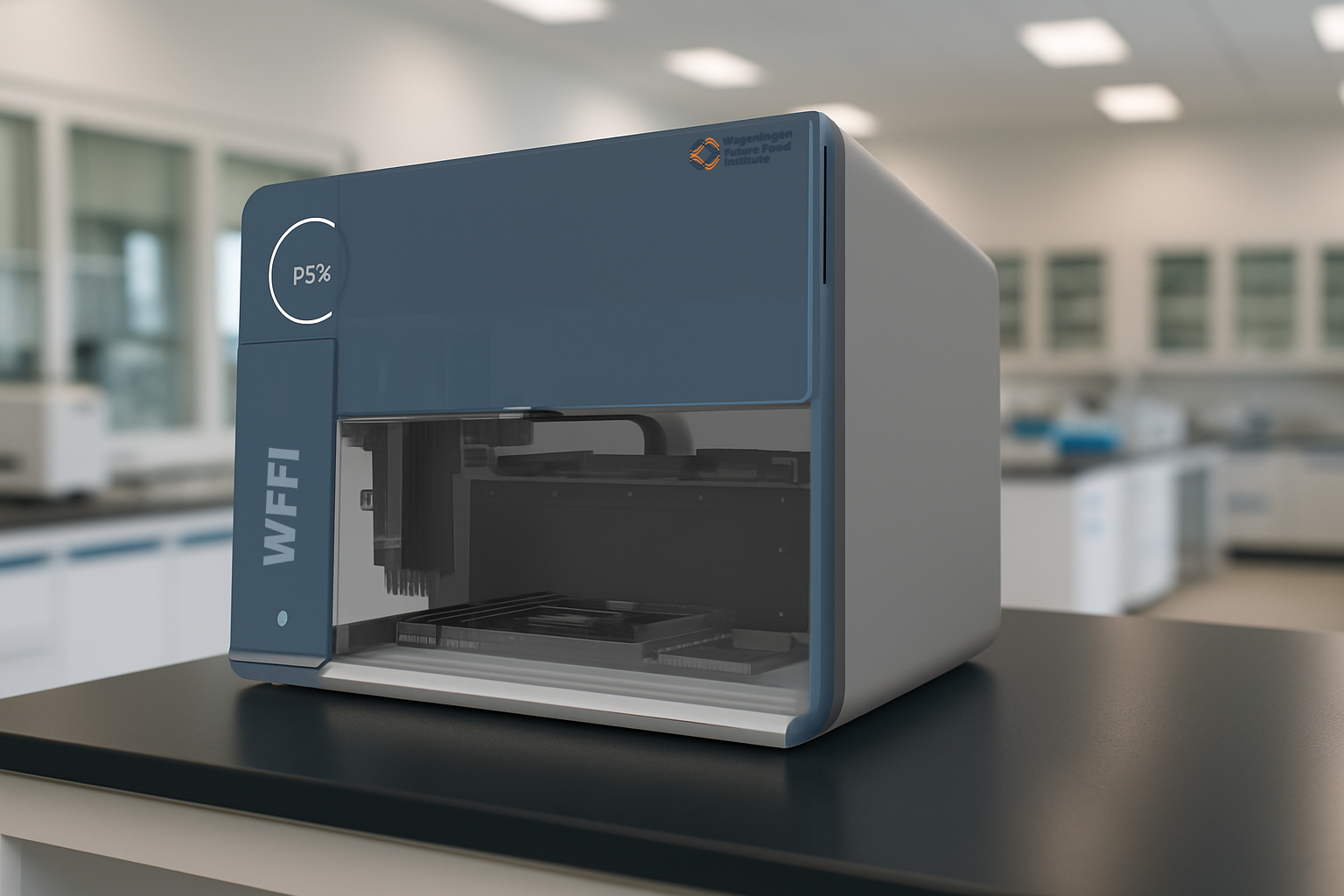
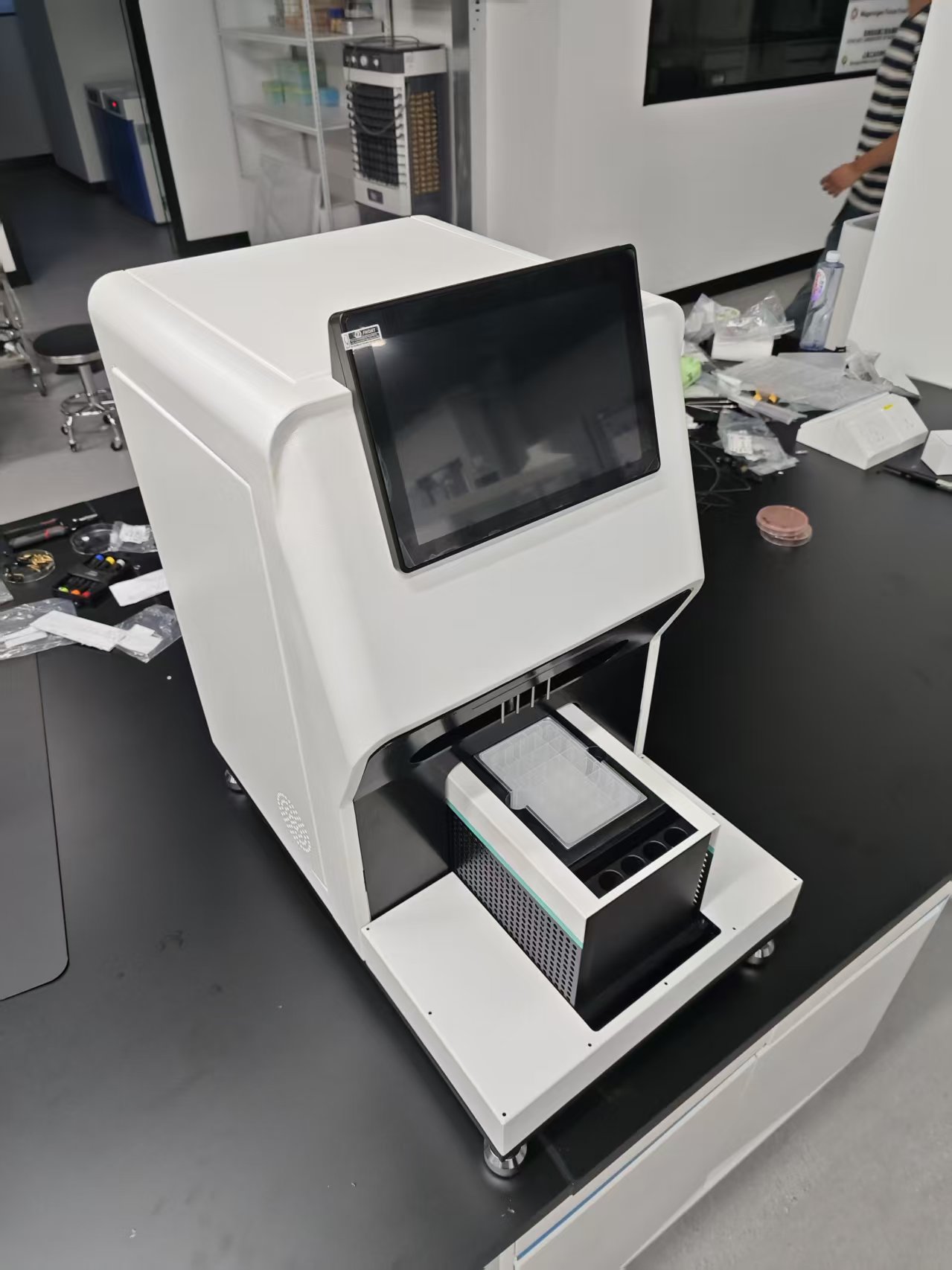
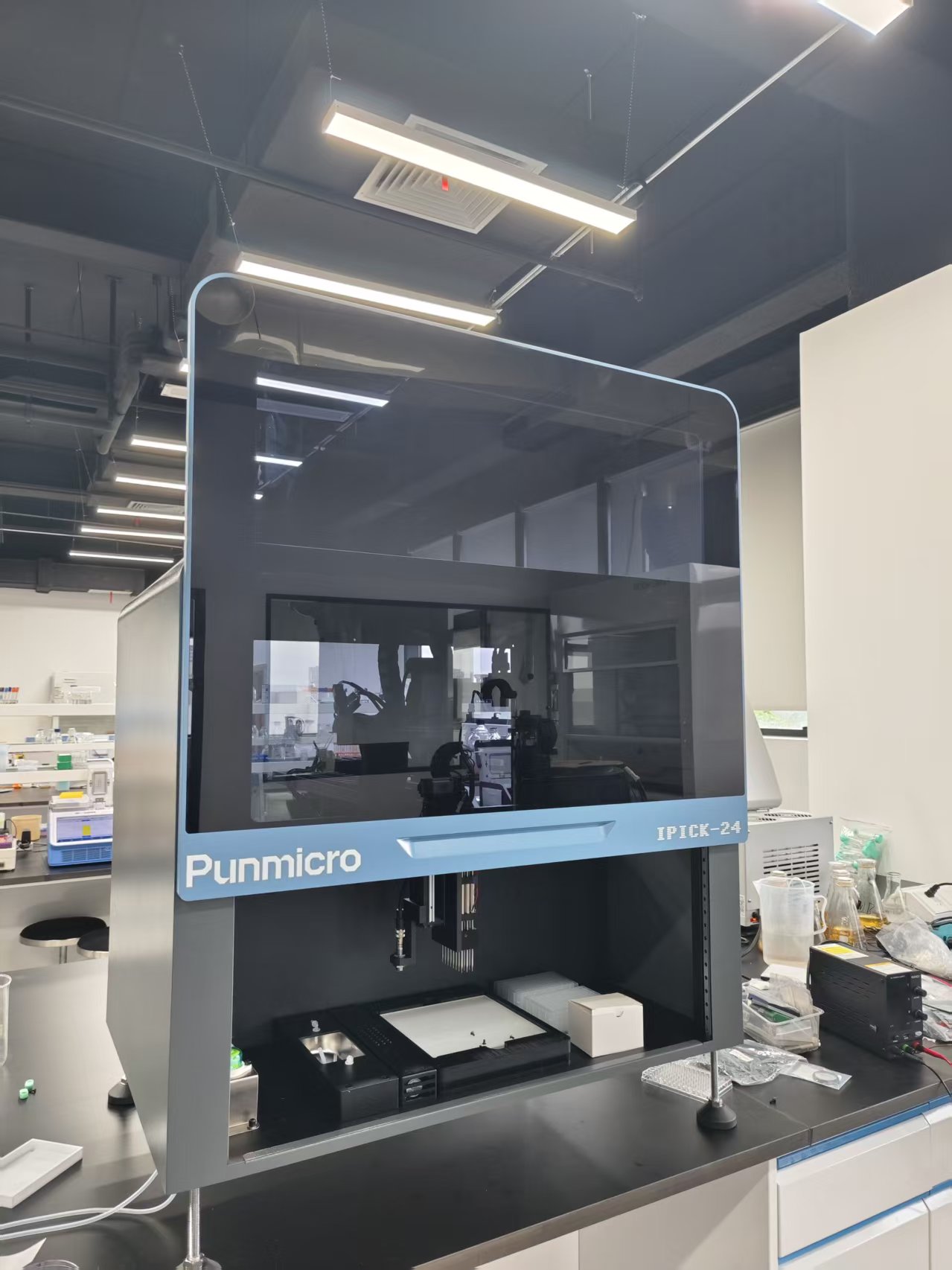
By combining artificial intelligence with industrial manufacturing, we design instruments tailored for precision fermentation — from plate handling and sample preparation to vision-guided colony selection.
One standout development is our in-house Microbial Colony Picker. Using computer vision, we have built compact (8-channel) and high-throughput (24-channel) models for faster, more consistent colony isolation.
Precision fermentation depends on screening large numbers of microbial variants. Manual colony picking and sample transfer quickly become the rate-limiting step.
We develop compact and high-throughput instruments that automate identification, isolation, and handling of microbial colonies and samples.
Automation improves reproducibility, shortens screening cycles, and frees researchers to focus on design, analysis, and decision-making.
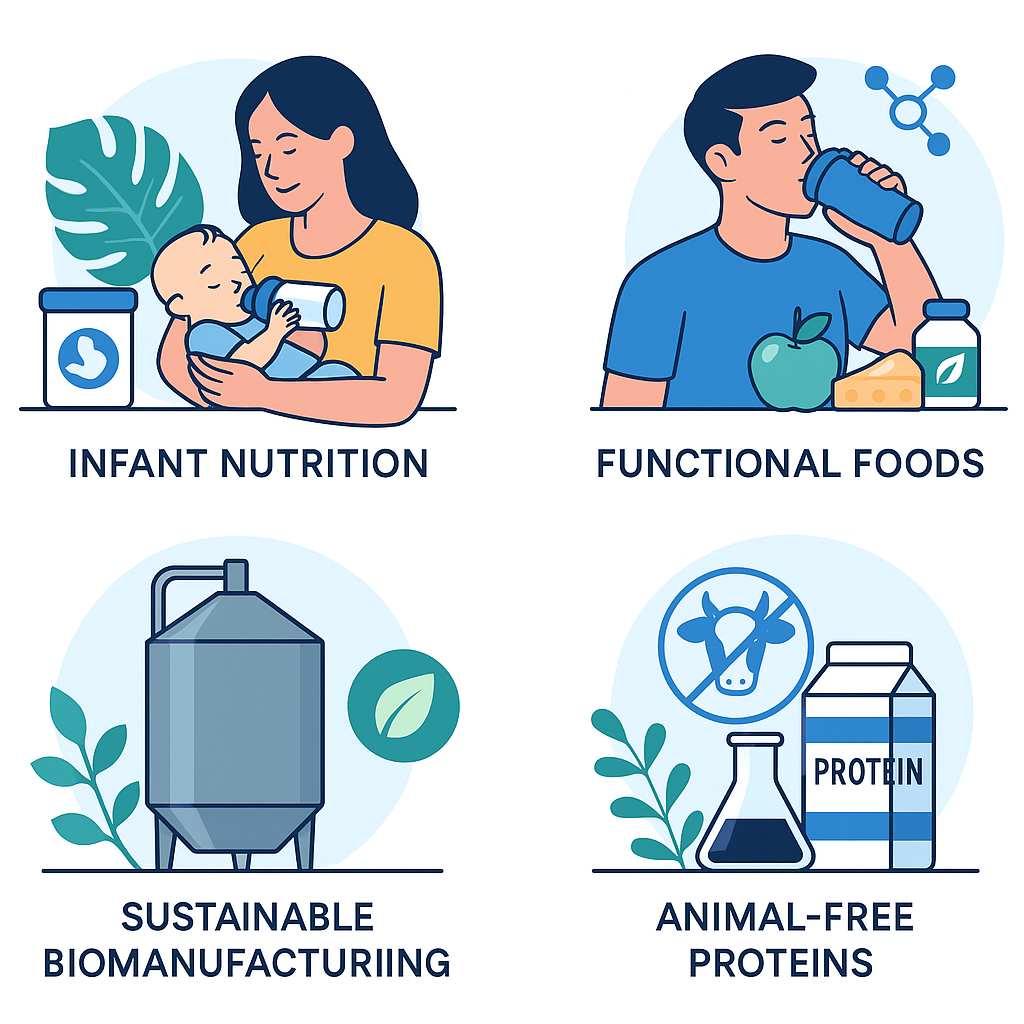
Precision fermentation enables high-value proteins without relying on animals. With engineered microbes and efficient bioprocesses, proteins such as lactoferrin can be produced with a lower environmental footprint.
Our instrument work sits inside that larger mission — bridging synthetic biology, nutrition science, and automation so laboratory discoveries can move toward scalable, responsible food systems.
Instrument development at WFFI supports our broader protein programs — from lactoferrin and sweet proteins to AI-assisted redesign. Better tools mean faster learning loops between design, fermentation, and experimental validation.
Capture plate images for automated analysis
Identify target colonies with computer vision
Isolate selected colonies with multi-channel tools
Move clones into plates for growth or assays
Evaluate expression, stability, and function
Feed results back into strain and protein design
If you are working on precision fermentation screening, automation hardware, or AI-enabled lab workflows, we welcome conversations about partnership, prototyping, and shared development.
Connect for more details →