
Precision Fermentation of Proteins: Safe, Scalable, Sustainable
View More →Founded in March 2025, Wageningen Future Food Institute (WFFI) is committed to developing functional proteins through precision fermentation. Our goal is to create safe, nutritious, and sustainable products, while ensuring harmony with nature and long-term economic viability.
With strong expertise in fermentation and protein science, we've built our own technology platform and partner network to support R&D through to pilot-scale production.
Based in Wageningen, we are building a research hub to strengthen our platform and support local startups working in precision fermentation. In the meantime, we will offer internship opportunities, share our custom-developed instruments, and co-develop AI applications in biology — all in collaboration with our business partners.
We are currently working closely with NewPro for lab and pilot-scale production, and we actively seek new partnerships to accelerate progress.
View More →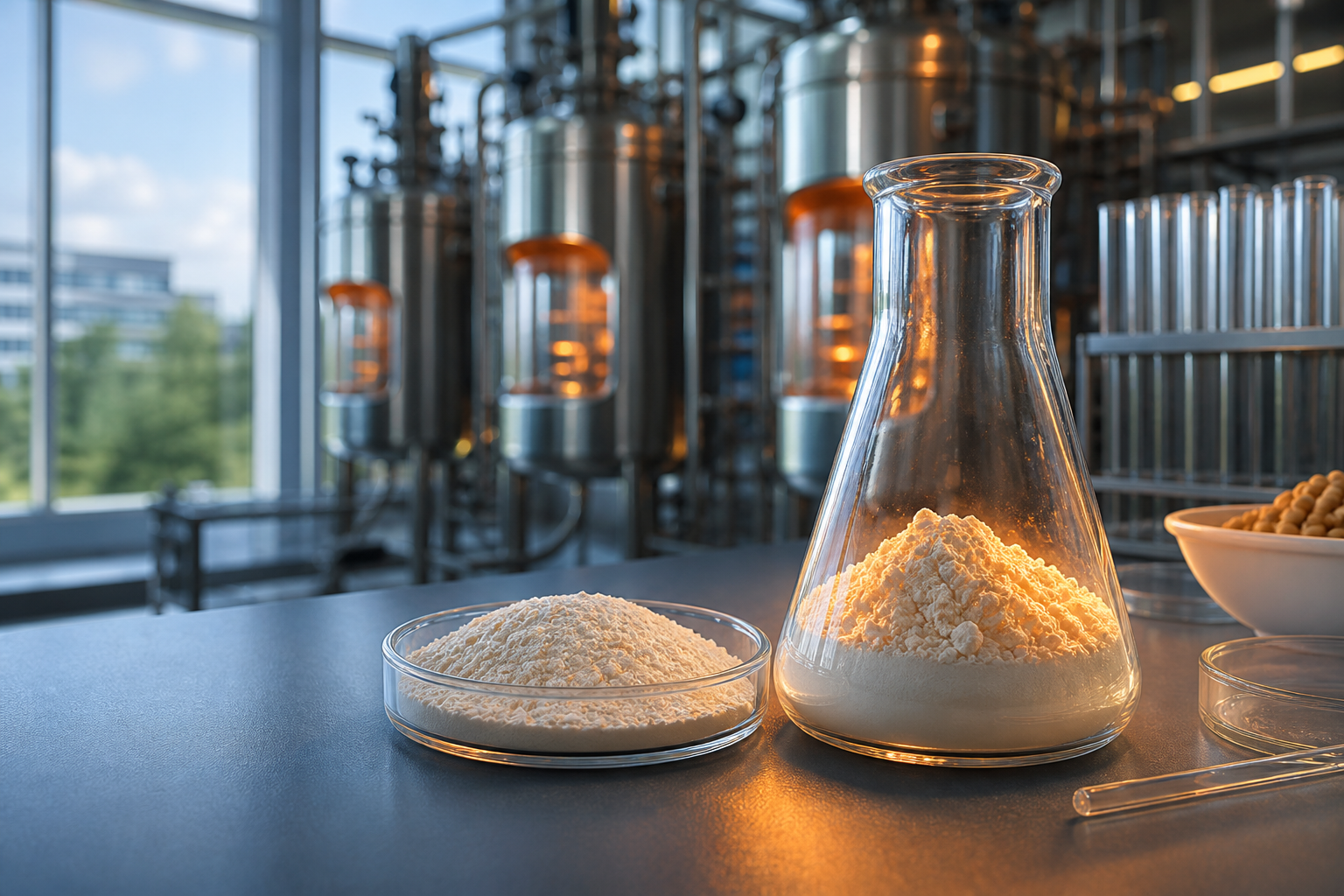
From research innovation to pilot-scale validation
Wageningen Future Food Institute (WFFI)
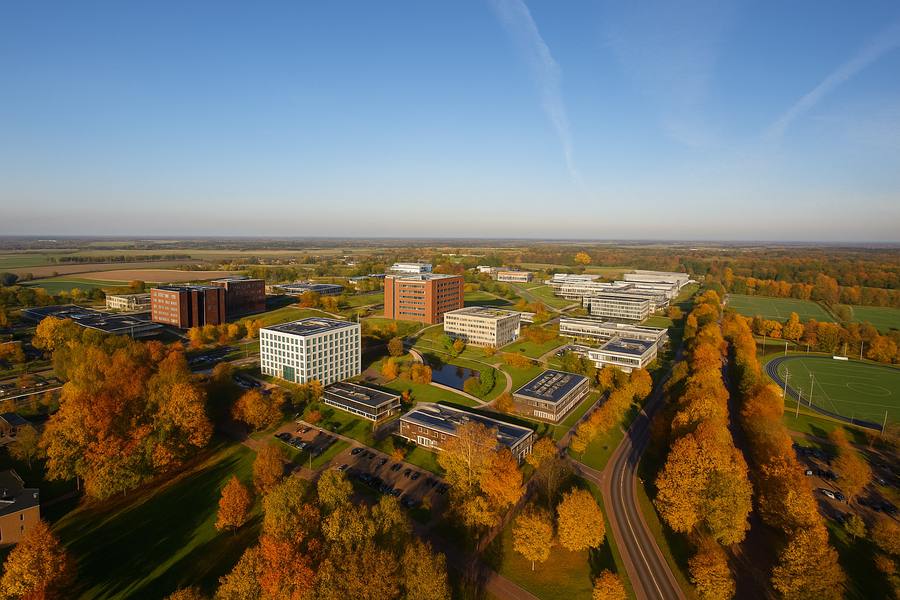
WFFI focuses on external exchange and collaboration with both industry and academia. We work to strengthen Sino-Dutch partnerships by combining the Netherlands' strengths in agriculture and fermentation science with China's advantages in fermentation scale and productivity. AI-driven protein engineering and redesign are carried out at WFFI.
In Partnership with NewPro
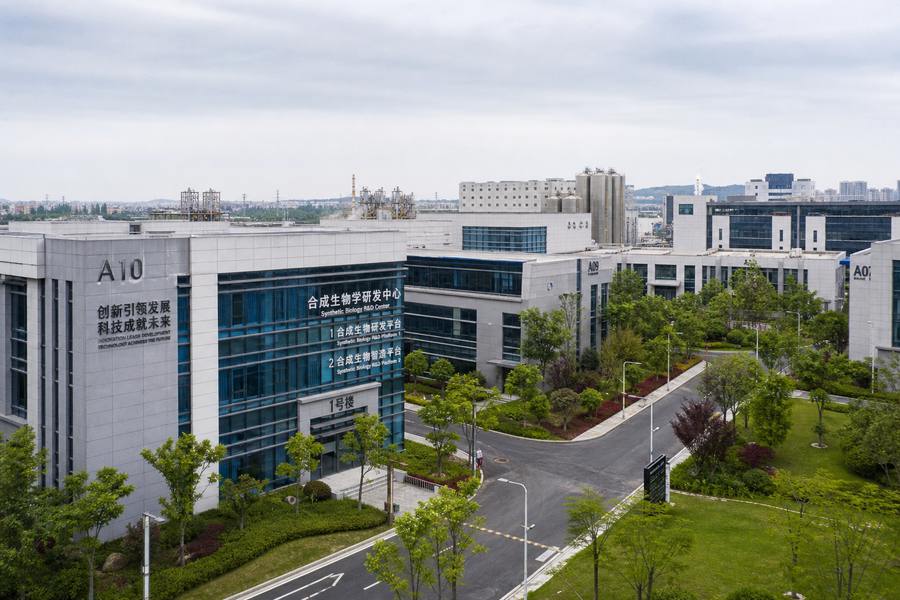
Our Chinese-style and scale-up production are conducted in partnership with NewPro. Concepts developed at WFFI—as well as experimental work needed to bring those ideas into practice—are entrusted to NewPro for execution and validation.
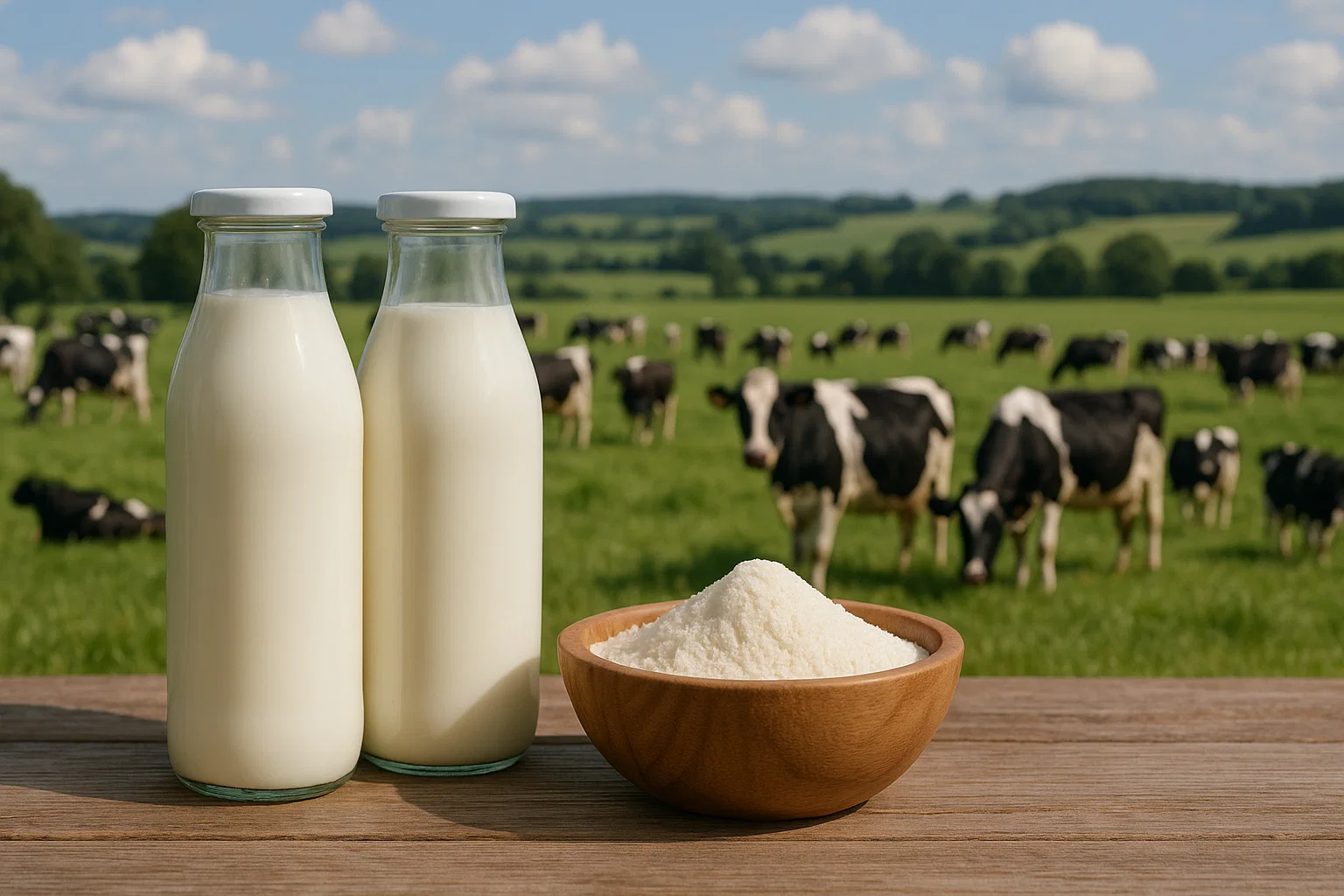
Present in trace amounts in bovine milk but relatively abundant in human breast milk, lactoferrin plays a key role in supporting immunity, modulating inflammation, and more.
Producing 1 kg of lactoferrin using traditional methods requires approximately 10,000 liters of bovine milk.
High raw material utilization, environmentally friendly, replicates the functional properties of natural proteins, and is feasible for large-scale production.
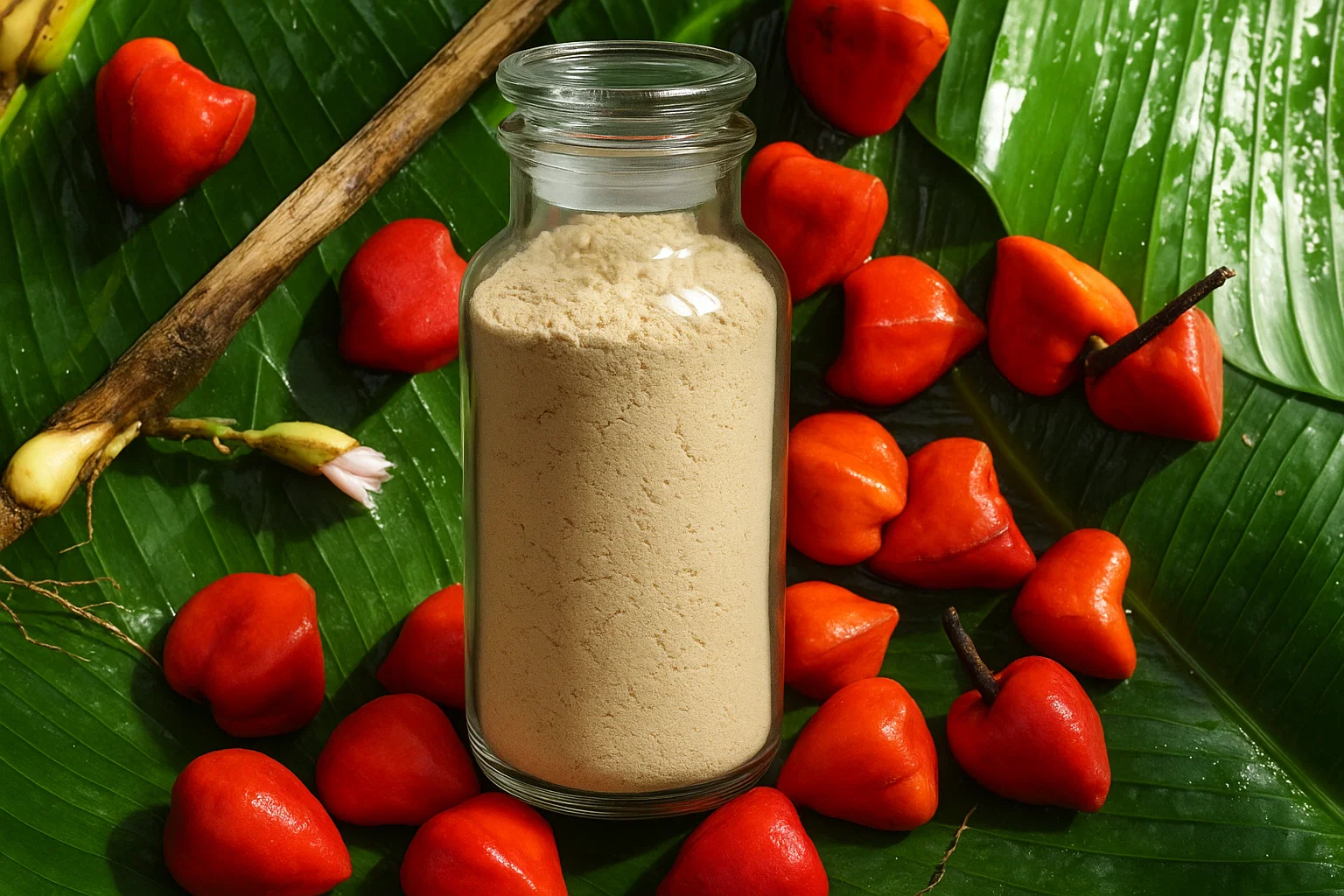
Thaumatin, one of our sweet proteins, is up to 3,000 times sweeter than sugar yet metabolized like a typical protein.
Current production relies on plant extraction, which cannot meet the demands of a billion-dollar market.
Inspired by nature, this sweet protein—produced through precision fermentation—is free from concerns like weight gain, heart disease, diabetes, tooth decay, and more.